
In the complex world of international law, sanctions lawyers play a crucial role. They serve as essential guides for individuals and businesses trying to navigate the intricate legal terrain influenced by government-imposed sanctions. The world of sanctions can be daunting, filled with regulations that often change based on political climates, making the expertise of Sanctions Lawyers sanctions-lawyers.com invaluable for those affected.
What Are Sanctions?
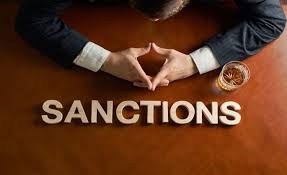
Sanctions are penalties or restrictions imposed by one country or a group of countries on another country, group, or individual to influence behavior. They can take many forms, including economic sanctions, trade restrictions, and travel bans. The rationale behind sanctions varies, often including the aim to enforce international laws, promote human rights, or respond to acts of aggression. However, navigating the law surrounding sanctions is complex, and this is where sanctions lawyers come into play.
The Importance of Sanctions Lawyers
Sanctions lawyers specialize in understanding the regulations surrounding sanctions and their implications for businesses and individuals. Their expertise is essential in several scenarios, including but not limited to:
- Advisory Roles: They provide guidance to businesses on how to comply with various sanctions, helping them avoid potential legal complications and penalties.
- Litigation: In cases where sanctions have been incorrectly imposed, these lawyers may represent clients in court to contest these actions.
- Transaction Support: They assist in structuring transactions to ensure compliance with applicable sanctions laws, especially for companies engaging in international trade.
- Policy Advocacy: Sanctions lawyers may also engage with policymakers to advocate for fair and just sanctions practices that do not disproportionately impact innocent parties.
Areas of Specialization
Sanctions lawyers often have backgrounds in several overlapping areas of law, including international trade, human rights, and compliance. Their specialization allows them to effectively navigate the following:
- Economic Sanctions: Understanding the intricacies of trade barriers, asset freezes, and financial restrictions imposed on countries or individuals.
- Export Controls: Comprehending the laws surrounding the export of goods and technologies that may have implications for national security.
- Anti-Money Laundering: Ensuring clients adhere to regulations designed to prevent the movement of illicit funds, particularly in relation to sanctioned entities.
- Anti-Bribery Compliance: Assisting businesses in navigating the legal landscape surrounding bribery and corruption, especially in countries with high sanction risks.
How to Choose a Sanctions Lawyer
Selecting the right sanctions lawyer can significantly impact a business’s ability to mitigate risks associated with compliance and sanctions. When choosing a sanctions lawyer, consider the following:
- Experience: Look for a lawyer or law firm with a proven track record in sanctions law and a solid understanding of the specific regulations applicable to your industry.
- Reputation: Seek references and client testimonials to gauge the lawyer’s reputation and the quality of their service.
- Communication Skills: It is crucial that you can communicate effectively with your lawyer and that they can explain complex sanctions laws in a way that is easy to understand.
- Cost: Understand the fee structure. Some lawyers might charge by the hour, while others may offer fixed fees for certain services.
Global Trends in Sanctions
The enforcement of sanctions is not static; it evolves in response to geopolitical developments. For instance, recent tensions between countries have led to an increase in sanctions related to cybersecurity and intellectual property theft. Businesses engaged in global operations must stay abreast of these trends and understand how they can affect international trade and compliance.
Additionally, there has been a push for greater transparency in sanctions compliance, with regulatory bodies increasingly scrutinizing corporations’ and individuals’ adherence to these laws. As a result, sanctions lawyers need to stay current on both domestic and international regulations to advise clients effectively.
Conclusion
Sanctions lawyers play an invaluable role in guiding individuals and businesses through the multifaceted legal landscape of sanctions. Their expertise not only aids in compliance but also helps contest wrongful sanctions and advocate for just practices in policy formation. As global dynamics continue to shift, the demand for skilled sanctions lawyers will only increase, underscoring their relevance in today’s interconnected world. Whether you are an individual unsure about upcoming transactions or a business seeking to enter a new market, understanding the value that sanctions lawyers provide can lead to better-informed decisions, ultimately shielding you from potential legal pitfalls.